

Cranial Helmet Therapy for Babies
with Flat Head Syndrome in Dubai
Safe – Gentle – Proven
Custom 3D-scanned cranial helmets- a non-invasive solution trusted by parents
across Dubai
- 95% Success Rate
- Dubai’s Leading Pediatric Rehabilitation Specialists
- Thousands of Infants Successfully Treated
Understanding Head Deformities in Babies
A baby’s skull is soft and flexible, so it can easily flatten or become asymmetrical under constant external pressure. Early intervention and proper treatment, like cranial helmet therapy for babies, can treat such conditions gently.
Hope AMC offers a clear path forward
Signs Your Baby May Need Helmet Therapy
Many babies develop some changes in head shape during the first few months of life, especially when they spend a lot of time lying on their back. In many cases, mild flattening can improve with repositioning, tummy time, and physiotherapy if there is tightness in the neck.
However, some babies may need a more detailed assessment to decide whether helmet therapy is recommended.
You may want to book an assessment if you notice:
- A flat spot on one side or at the back of your baby’s head
- One ear looks more forward or higher than the other
- The forehead looks more prominent on one side
- The face looks slightly uneven or asymmetrical
- A bald or rubbed patch in the same area of the head
- Your baby prefers turning their head to one side
- Your baby has a head tilt or seems to have tightness in the neck
- The head shape is not improving despite repositioning and tummy time
Seeing one of these signs does not always mean your baby needs a helmet. It simply means it is worth having your baby assessed early, while the skull is still growing and treatment options are most effective.
Related Reading: Learn when changes in your baby’s head shape should be assessed in our article When a Tiny Head Tells a Big Story: When to Worry About Your Baby’s Head Shape.
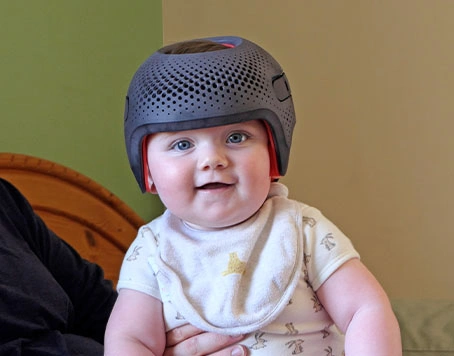
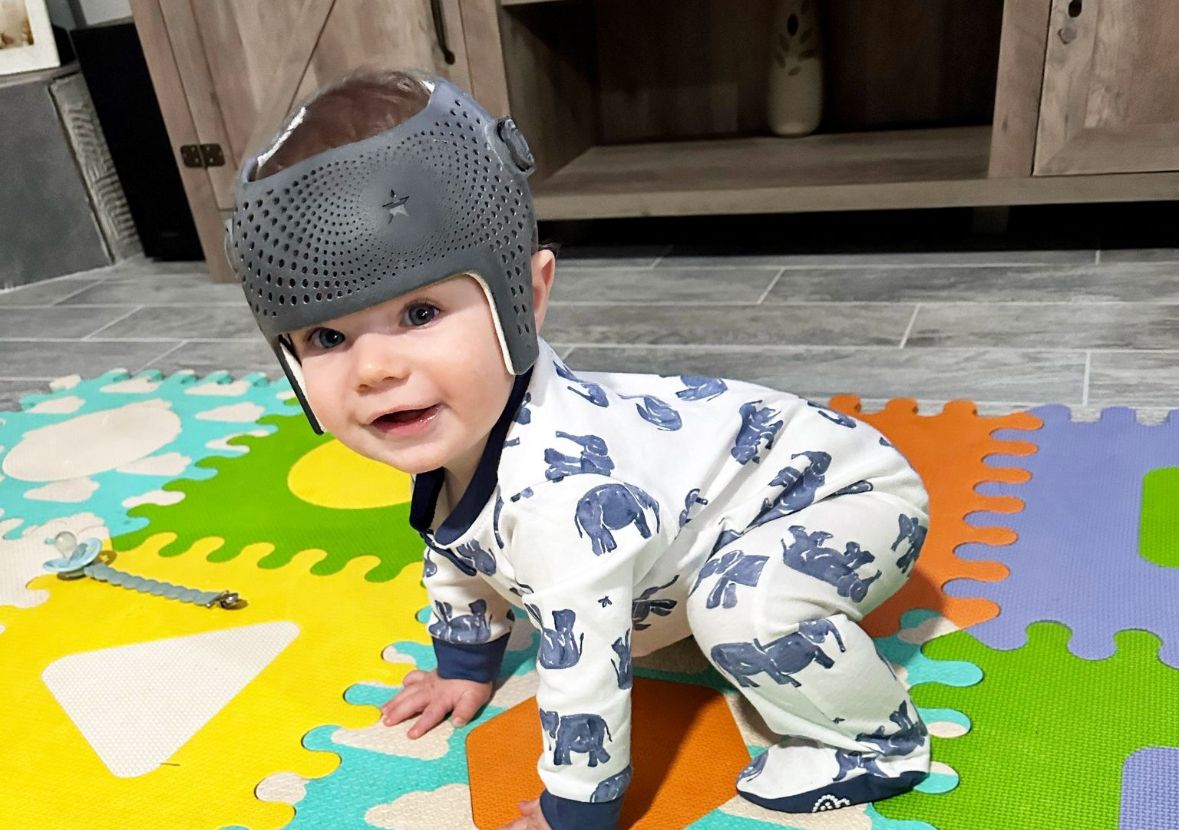
Key Factors That Affect Your Baby’s Head Shape
Several factors can contribute to flat spots or uneven shaping of a baby’s head:
- Prolonged Sleeping Position: Babies who rest in the same position for long hours may develop flattening on one side of the head, also known as flat head syndrome.
- Torticollis (Tight Neck Muscles): Babies with restricted neck movement can also suffer from flattening.
- Premature Birth: Premature infants have softer skull bones, vulnerable to deformation.
- Multiple Births (Twins or More): Limited space in the womb can restrict head movement, causing irregular shapes.
Conditions Treated by Helmet Therapy
Plagiocephaly (Flat Head Syndrome)
Plagiocephaly occurs when a flat spot develops on one side or the back of a baby’s head, often from consistent pressure. It may also cause slight facial asymmetry and make your baby’s head look abnormal.
Brachycephaly
Brachycephaly is marked by a short, wide head shape with flattening at the back, commonly linked to babies lying on their backs for long periods.
Scaphocephaly
Scaphocephaly gives the head a long, narrow shape, usually caused by premature fusion of the sagittal suture and prolonged side-lying pressure on the skull.
Learn how cranial helmets help correct plagiocephaly and brachycephaly and when helmet therapy may be recommended after a professional assessment.
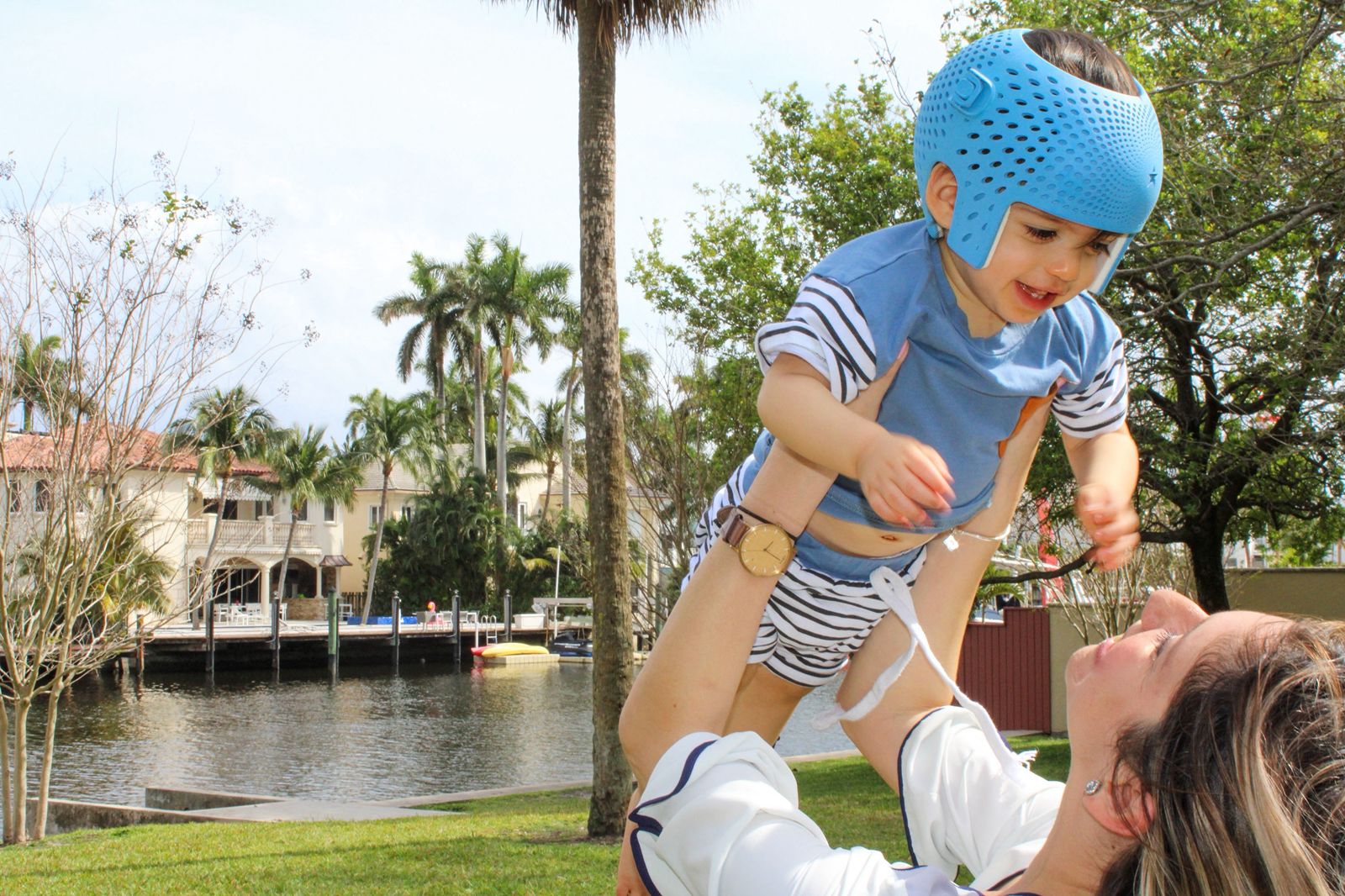
Plagiocephaly vs. Craniosynostosis
Parents often hear different medical terms when discussing baby head shape, and it can be confusing. Two important terms are plagiocephaly and craniosynostosis.
Plagiocephaly
Plagiocephaly is often called “flat head syndrome.” It usually happens when repeated pressure on one part of the baby’s head causes flattening. This may be related to sleeping position, limited tummy time, tightness in the neck, prematurity, or the baby preferring to turn the head to one side.
In positional plagiocephaly, the skull bones are not fused. Treatment may include repositioning, tummy time, physiotherapy for neck tightness, and in some cases, helmet therapy.
Craniosynostosis
Craniosynostosis is different. It happens when one or more of the skull sutures close too early. This can affect how the skull grows and may require specialist medical assessment and treatment.
Because plagiocephaly and craniosynostosis can both change the shape of the baby’s head, it is important not to self-diagnose.
If you notice a change in your baby’s head shape, the safest step is to book a clinical assessment. The team will examine your baby’s head shape, growth, neck movement, and medical history, and will guide you on whether helmet therapy, physiotherapy, monitoring, or further medical referral is needed.
Early assessment gives parents clarity and helps ensure the right treatment is started at the right time.
Read more: Our guide What Is Helmet Therapy and What Kinds of Head Deformities Can It Treat? explains which conditions may benefit from cranial helmet therapy and when other treatments may be more appropriate.
Real Results: Before & After
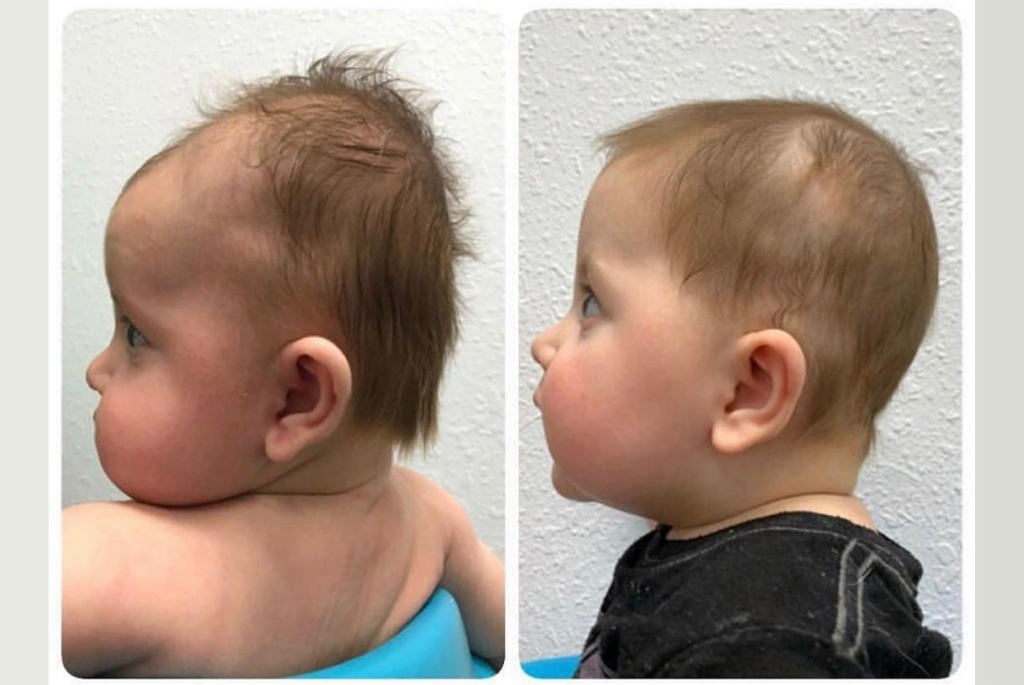
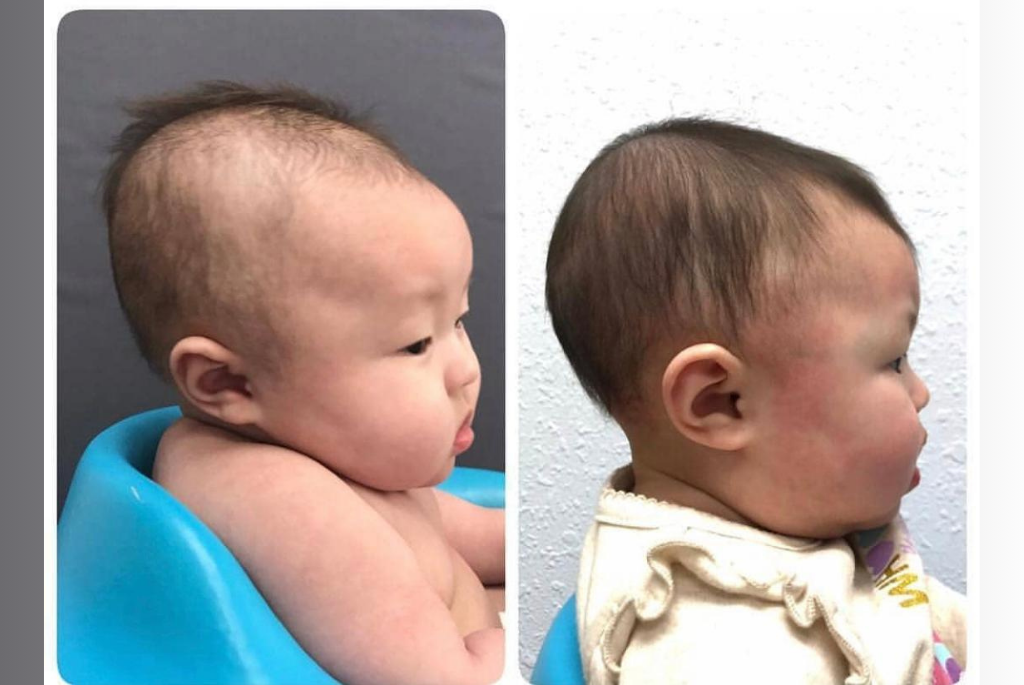
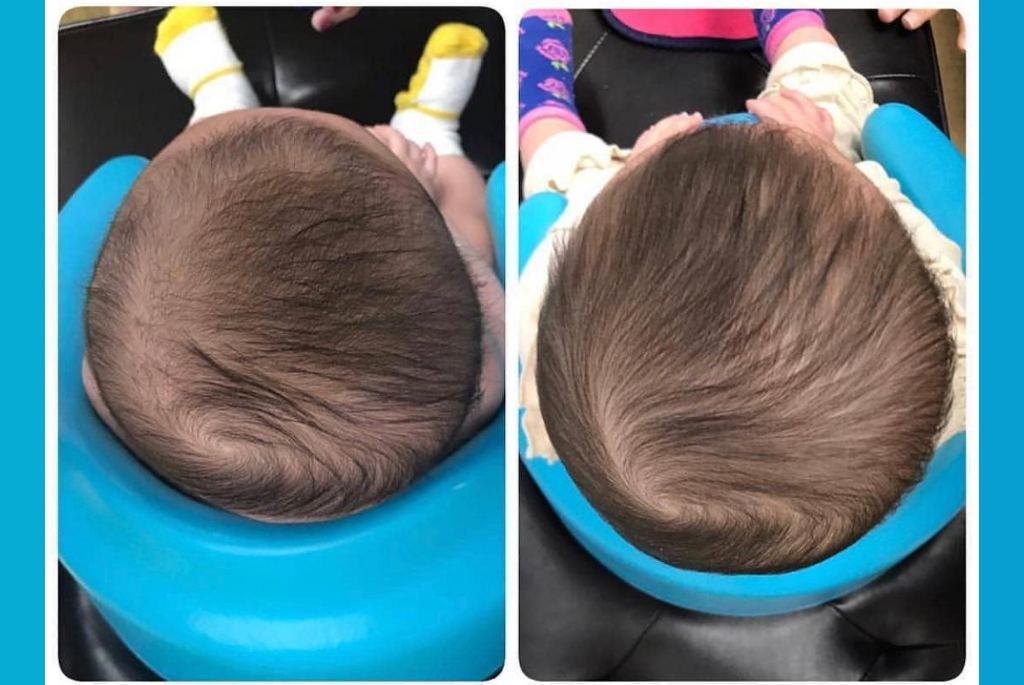
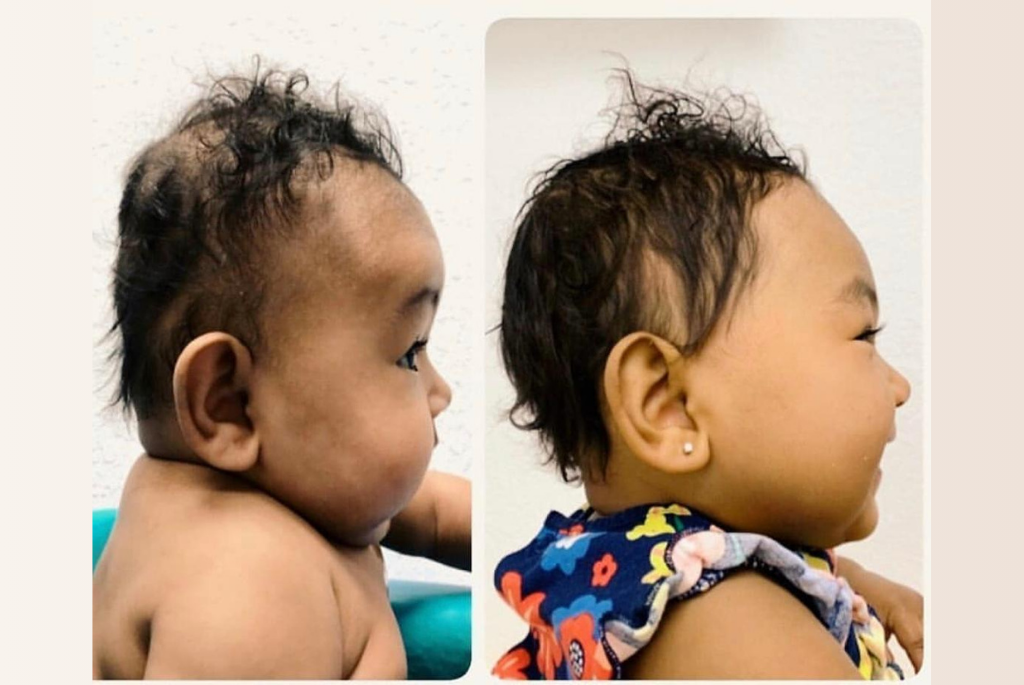
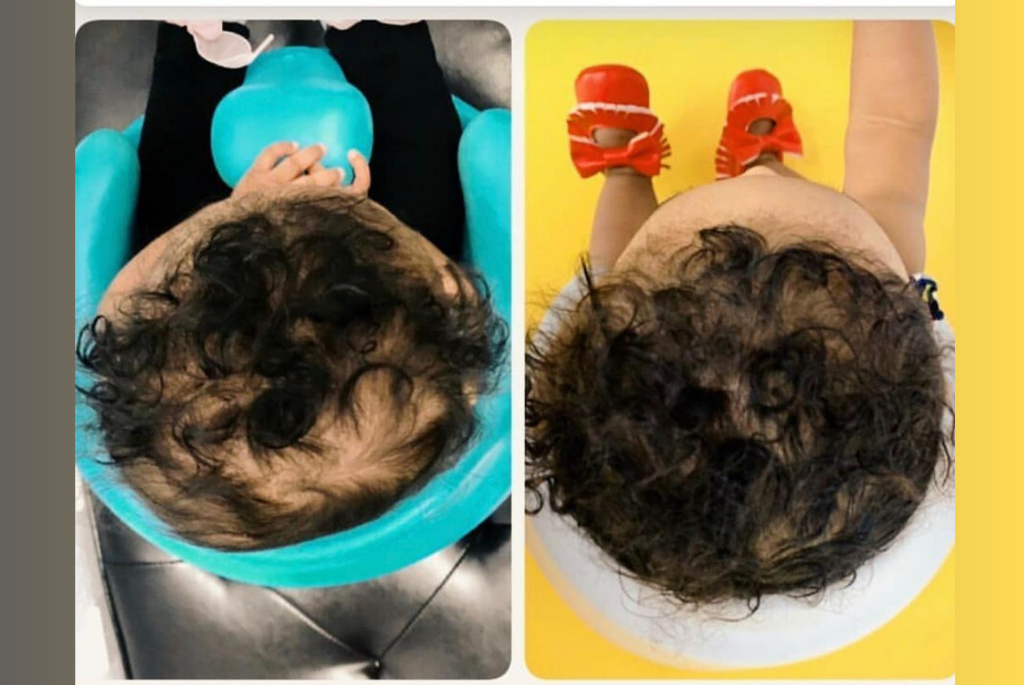
Timely Diagnosis and Effective Treatment for Flat Head
Early and accurate intervention can make a world of difference in reshaping your baby’s head comfortably and effectively.
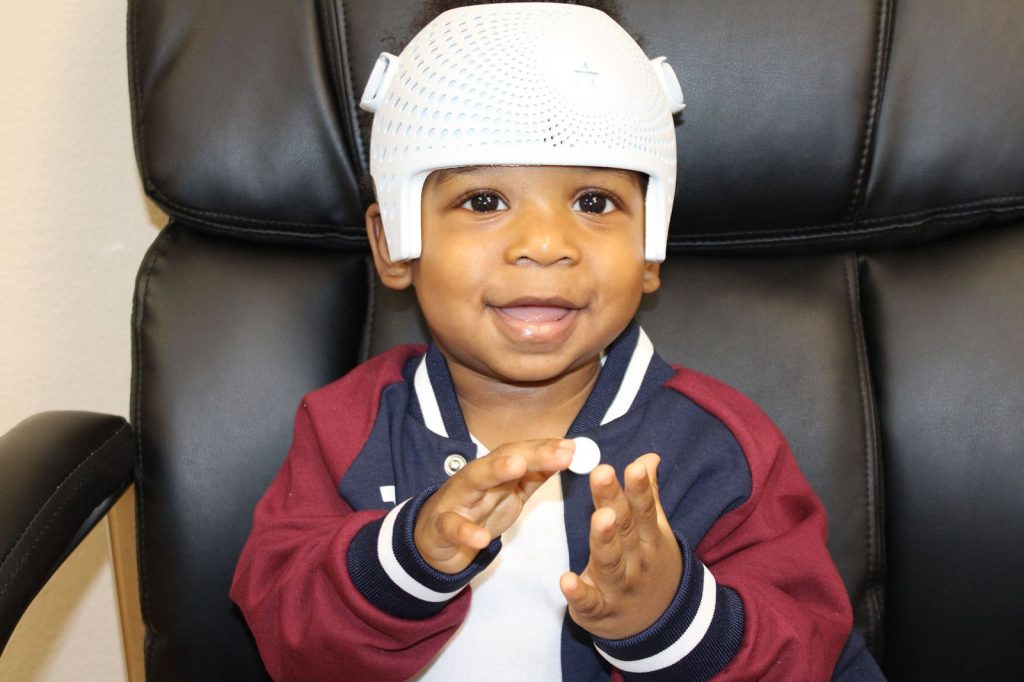
Why Acting Early Matters
Growth Opportunity Is Narrow: Infants’ skulls change fastest during the first year, which makes early evaluation critical. Research shows that starting cranial helmet therapy before 6 months leads to faster and complete correction.
Severity Shapes Strategy: The degree of flattening determines the path. While mild cases often respond well to repositioning and tummy time, moderate to severe cases benefit most from flat head helmet therapy for infants.
Prevention of Secondary Complications: Early intervention is important to prevent potential secondary issues, such as facial asymmetry, misaligned ears, or jaw problems.
Impact of Early Intervention in Cranial Helmet Therapy
A baby’s skull grows rapidly in the first year. This makes early diagnosis and treatment critical for the best outcomes.
- 0–4 months: repositioning techniques may help.
- 4–12 months: the ideal time to begin helmet therapy in infants.
- After 12 months: correction is still possible but may take longer.
If you are considering helmet therapy to correct your baby’s head shape, consult a specialist promptly to explore whether a cranial helmet for the baby is recommended. At Hope AMC in Dubai, our pediatric experts provide timely assessments, accurate diagnoses, and customized treatment plans.
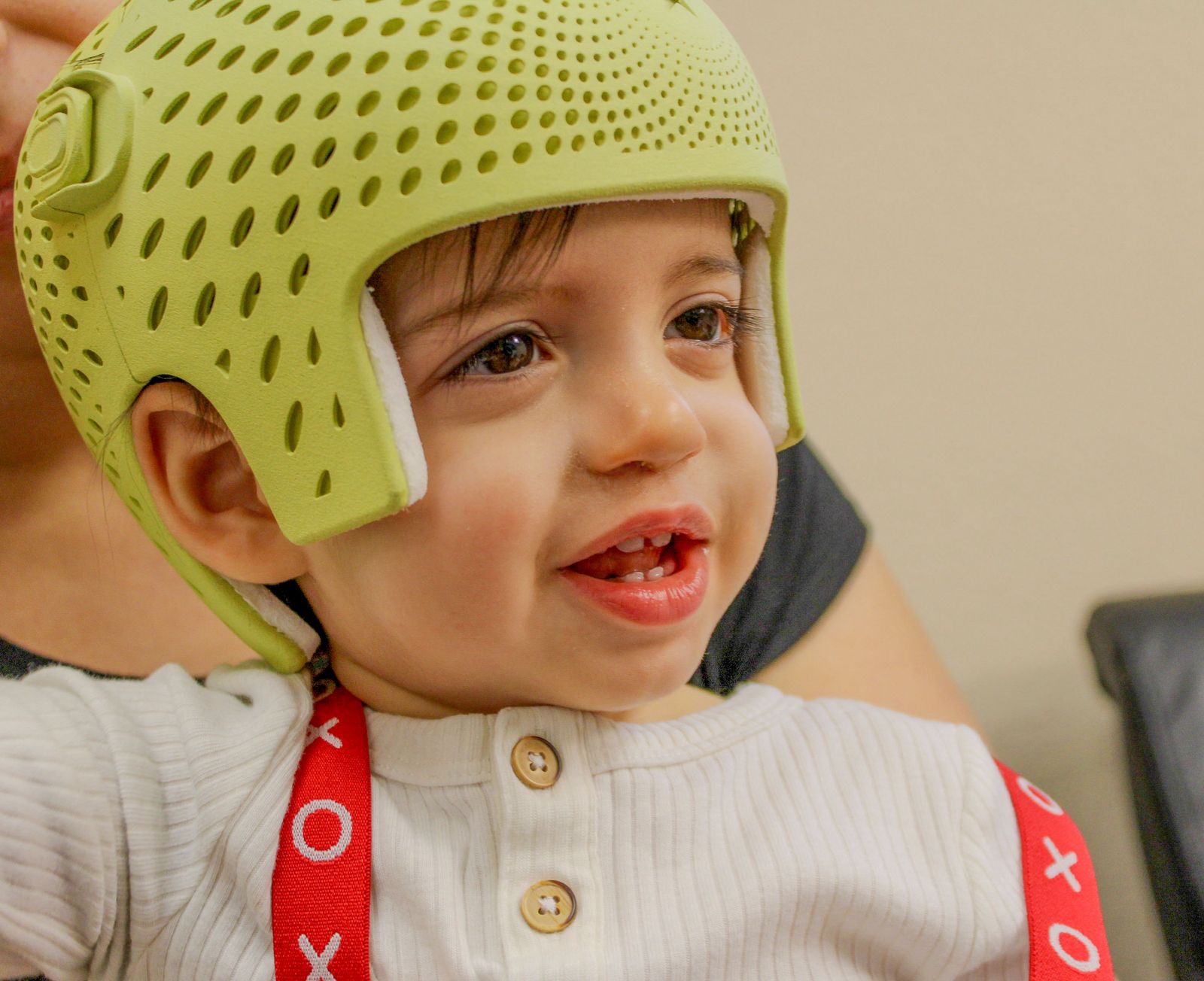
Our Treatment Process at Hope AMC Dubai
We provide a clear, step-by-step approach to correcting your baby’s head shape with our custom cranial helmets.
Cranial Remodelling Orthosis for Flat Head Syndrome
We provide advanced care with custom 3D-scanned cranial helmets designed for a precise fit, gentle correction, and continuous monitoring throughout your baby’s treatment journey.
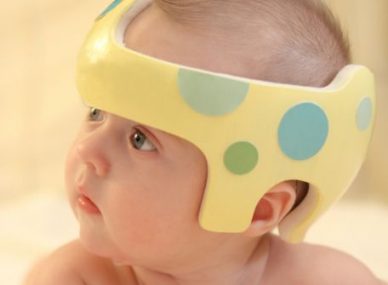
Precision-fit Cranial Helmets for Safe, Gentle Correction
At Hope AMC Dubai, our cranial helmets are designed with advanced 3D-scanning and 3D-printing technology to ensure a perfect, custom fit for every child. Unlike traditional helmets, our models are lightweight, breathable, and created with your baby’s comfort in mind.
We take crucial factors such as skin sensitivity, comfort and ventilation into consideration, so your baby can wear the helmet without difficulty for the recommended hours a day. Each helmet is carefully adjusted as your baby grows to maintain its continuous effectiveness and safety throughout the treatment journey.
Want to know how a cranial remolding orthosis works? Follow our Step-by-Step Guide to Cranial Remolding Orthosis to understand the treatment journey from assessment to follow-up.
Helmet Care
Good helmet care is very important for your baby’s comfort, skin health, and treatment progress. Your clinical team will explain exactly how to care for your baby’s helmet, but general guidance usually includes:
Clean the helmet daily
The inside of the helmet should be cleaned every day during the baby’s helmet-free break. This helps reduce sweat, odour, and skin irritation.
Keep the helmet dry before wearing
After cleaning, the helmet should be allowed to dry fully before being placed back on your baby’s head.
Check your baby’s skin every day
When the helmet is removed, check the skin for redness, rubbing, irritation, pressure marks, or any sore areas.
Follow the break-in schedule
Most babies do not start wearing the helmet full-time immediately. A gradual wearing schedule helps the baby’s skin and body adjust safely.
Do not skip follow-up appointments
Your baby’s head grows quickly, especially in the first year. Regular follow-ups are needed to check progress, adjust the helmet, and make sure the fit remains safe and effective.
Avoid modifying the helmet yourself
Parents should not cut, heat, pad, or adjust the helmet at home. Any changes should only be made by the trained clinical team.
With the right care and follow-up, helmet therapy can become part of your baby’s daily routine more easily than many parents expect.
The Best Time for Helmet Therapy – What Parents Need to Know
The timing of cranial helmet therapy in infants directly impacts outcomes, but other factors matter too. We assess each baby’s age, growth stage, and severity of asymmetry before recommending a cranial remolding helmet for babies. This ensures treatment is truly personalized.
What sets us apart is our family-centered approach:
- We guide parents on repositioning techniques and daily care alongside helmet therapy.
- We schedule regular progress scans, so you can see the head shape improvements over time.
- Our international protocols ensure therapy remains safe, effective, and evidence-based.
Why Choose Hope AMC for Helmet Therapy in Dubai?
Parents trust us because we combine advanced technology with compassionate care.
Cost of Cranial Helmets in Dubai
The cost of cranial helmet therapy in Dubai can vary depending on several factors.
These may include:
- The type of helmet used
- The scanning or measurement process
- The level of head shape correction needed
- The number of follow-up visits required
- Whether adjustments are included
- The clinic, orthotic provider, and treatment package
- Insurance approval or reimbursement options
At Hope AMC, the cost will depend on your baby’s assessment and the recommended treatment plan. Our team will explain the full cost clearly before you begin, including what is included in the package and whether any additional follow-up fees apply.
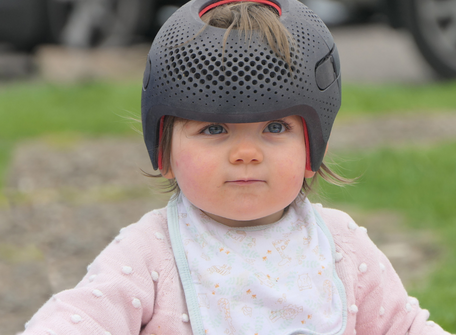
Some insurance plans may cover part of the assessment or helmet therapy, while others may not. Coverage depends on the insurance provider, policy terms, medical necessity, referral requirements, and pre-approval process. Our team can help guide families on the documents usually needed for insurance submission, such as medical reports, clinical assessment findings, measurements, and invoices. Because every case is different, we recommend contacting our team directly for the most accurate and updated cost information.
Ready to Restore Your Baby’s Natural Head Shape?
Insurance & Next Steps
Accessibility + transparency



Hear From Our Happy Families
Real stories from parents whose children have benefited from Hope Dubai cranial orthosis treatment.



كان الجميع هناك ودودون ، وكان المعالج محترفًا للغاية وحازمًا وصبورًا. يمكنك رؤية التغيير على طفلك بسرعة كبيرة. موصى بة بشدة.


التعليم الطبي المستمر هو بالتأكيد تغيير قواعد اللعبة وقد نجح في إحداث المعجزات. يمكننا أن نرى جذعًا أقوى ووضعية أفضل خلال فترة قصيرة من 3 أسابيع. كانت السيدة ليليانا هي المعالج الذي عمل مع عناية وقد قامت بعمل رائع. كل شخص تعاملنا معه في Hope كانوا ودودين ومتعاونين.
السيدة خشبو والسيد عادل ، أخصائيو العلاج الطبيعي لدينا كانوا رائعين. كلهم تأكدوا من فهمنا لما تم فعله وكيف ولماذا. والأهم من ذلك أنهم قاموا بتزويدنا بالمعرفة والمهارات والتمارين لمواصلة برنامجنا المنزلي ، وهو أمر مهم جدًا بالنسبة لنا نحن الآباء.
السيدة أمل طلبة ، مديرة ومؤسس Hope ، شخصية مدهشة ورحيمة ومتواضعة. لقد ذهبت إلى أبعد من ذلك للتأكد من أننا كنا مرتاحين وكانوا دائمًا متاحين لإرشادنا. أنا أشعر بالرهبة منها والتزامها تجاه جميع الأطفال وعائلاتهم الذين لمستهم من نواح كثيرة. تقدم الابنة. بارك الله فيكم جميعا.

اخصائيين على مستوى عالي صراحة .. انتهينا من فترة العلاج الاولى و لنا عودة قريبة ب اذن الله.. 🇸🇦

معالج محترف يعمل بجد. إدارة جيدة وأنا أوصي بشدة

FAQs
What is a cranial helmet and how does it work?
A cranial helmet, also known as a head shaping helmet for infants, is a lightweight medical device designed to gently guide a baby’s skull into a more natural shape. Babies’ skulls are soft and flexible in the first year of life, more responsive to gentle correction. The helmet does not apply pressure; instead, it provides space in areas where the head needs to grow and limits growth in areas that are already prominent. Over time, the skull gradually starts to reshape into better alignment.
Is helmet therapy safe and comfortable for my baby?
Yes. Our pediatric therapies ensure every cranial helmet is custom-made using 3D scanning technology for a precise fit. Factors like skin sensitivity, ventilation, and weight are carefully considered so your baby can wear the helmet safely for up to 23 hours a day. Most infants adjust within a few days, and they hardly notice the helmet after the initial period.
When should I consider helmet therapy for my baby?
The ideal age to begin helmet therapy in infants is between 4 and 12 months, when the skull is growing most rapidly. If you notice persistent flat spots, uneven head shape, or asymmetry, it may be time to consult a helmet therapy specialist. After 12 months, helmet therapy is still possible but may take longer. At Hope AMC, our pediatric experts provide early assessments to help parents decide the best time to begin treatment.
How much does a cranial helmet cost in Dubai?
The cranial orthosis helmet cost can vary depending on the complexity of the case, the child’s age, and the duration of therapy. At Hope AMC, we provide a transparent cost estimate after the initial assessment, along with a personalized treatment plan. While it may feel like a significant investment, parents often find the long-term benefits, corrected head shape, improved symmetry, and peace of mind.
Why should I choose Hope AMC for my baby’s helmet therapy?
Hope AMC is one of Dubai’s leading rehabilitation centers specializing in pediatric therapies. Our approach to helmet molding therapy combines medical expertise, advanced 3D scanning, and custom helmet design to deliver proven results. We don’t just provide a device; we offer continuous monitoring, follow-up adjustments, and parent support throughout the journey. With a compassionate team and years of experience, we ensure your baby receives safe, effective, and family-centered care.
