

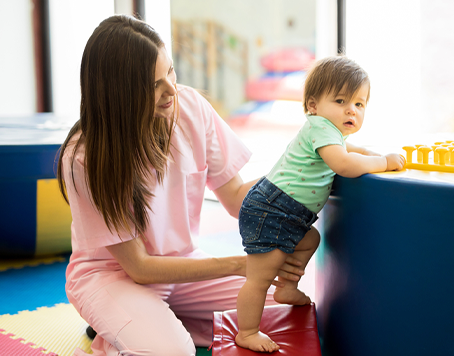
Recognizing that your child is having trouble with speech, eating independently, or regulating emotions can be extremely upsetting. Parents often have an intuition that something is amiss long before any diagnosis is made. Issues with speech, difficulty in feeding, behavioral problems, or delays in motor skills can impact a child’s self-esteem and everyday activities, leaving families feeling lost about where to seek help. This is where early intervention in Dubai becomes essential, providing prompt and organized assistance to support children in achieving key developmental milestones during their critical early years.
What Is an Early Intervention Programme?
An Early Intervention Programme (EIP) is a systematic, child-centered method aimed at assisting young children facing developmental setbacks. These programs tackle cognitive, physical, communication, and social-emotional difficulties with tailored therapy plans. At facilities such as Hope AMC, early intervention services like physical therapy, speech therapy, and occupational therapy collaborate to establish a solid groundwork for enduring learning and self-sufficiency.
How Early Intervention Supports Speech, Feeding & Behaviour?
Early intervention therapy aims to recognize issues at an early stage and tackle them with specific strategies. Speech therapy assists children in enhancing their understanding of language, pronunciation, and expressive communication skills. Feeding therapy aids children dealing with sensory sensitivities, chewing, and swallowing challenges, promoting safe and healthy eating practices. Behavioral therapy emphasizes emotional regulation, attention, and social interaction, which are essential for being prepared for school and navigating everyday life.
Children diagnosed with conditions such as Global Developmental Delay (GDD) often benefit significantly from early, multidisciplinary intervention, as it supports multiple developmental domains simultaneously.
Health and Developmental Impact of Early Therapy
Early childhood stimulation programs positively influence a child’s overall health and development. Through guided movement, sensory integration, and communication activities, children build motor coordination, emotional resilience, and cognitive strength. In some cases, children with physical challenges may also benefit from children’s orthotics and prosthetics, which support posture, mobility, and functional independence when paired with therapy. This integrated approach ensures children receive comprehensive care that addresses both physical and developmental needs.
Key Benefits of Early Intervention Programmes
Early intervention therapy aims to recognize issues at an early stage and tackle them with specific strategies. Speech therapy assists children in enhancing their understanding of language, pronunciation, and expressive communication skills. Feeding therapy aids children dealing with sensory sensitivities, chewing, and swallowing challenges, promoting safe and healthy eating practices. Behavioral therapy emphasizes emotional regulation, attention, and social interaction, which are essential for being prepared for school and navigating everyday life.
Techniques Used in Early Intervention Therapy
Early intervention services use a combination of individualized therapy sessions, family counselling, and specialized educational strategies. Techniques are tailored to each child’s strengths and needs, ensuring therapy remains engaging and effective. For children requiring mobility support, collaboration with pediatric prosthetics and rehabilitation specialists enhances functional outcomes, making Hope AMC one of the providers of the best orthotics & prosthetics therapy integrated with developmental care.
How the Programme Is Delivered
Each child’s journey begins with a comprehensive assessment conducted by early intervention specialists. Based on findings, personalized therapy goals are set and reviewed regularly. Progress is closely monitored, and therapy plans are adjusted to ensure consistent improvement across developmental areas.
Early Intervention for Children with Autism
Early intervention for autism focuses on improving communication, social skills, and adaptive behaviour. Structured therapy sessions help children build independence, confidence, and coping strategies, allowing them to thrive at home, school, and in the community.
Where to Find the Best Early Intervention Programme in Dubai?
Dubai offers several child development centers, but Hope AMC stands out for its holistic, compassionate approach. Their early intervention programmes combine expertise, innovation, and individualized care in a nurturing environment designed for growth.
Why Choose Hope AMC?
Hope AMC delivers exceptional early intervention services, including speech therapy, occupational therapy, physical rehabilitation, and integrated support for mobility needs. With a multidisciplinary team and family-centered care model, Hope AMC ensures every child receives the attention and expertise they deserve.
Take the first step toward your child’s brighter future. Learn more about Hope AMC’s Early Intervention Programme here:
FAQs
Early intervention is most effective from birth to six years, when brain development is at its peak.
Yes, therapy plans often combine speech and feeding therapy to address interconnected challenges.
Absolutely. Early therapy supports multiple developmental areas affected by GDD.
Yes, parental involvement is essential and actively encouraged throughout the programme.
