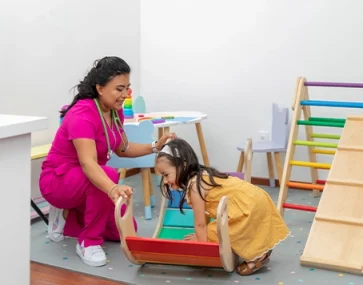

So, if you’re a parent reading this, chances are you’re stopping what you’re doing with a tiny knot of concern in your stomach, perhaps because of something your child’s teacher said, something your child was having trouble with in their homework, or maybe because your child was having trouble staying on task, whereas some of their friends seem to be able to do it with ease. Well, you’re certainly not alone in this. Many, many parents find themselves in this place, wondering, “Is this just a phase, or is something going on?” Learning about how ADHD is diagnosed and the deep knowledge on ABA therapy for children can bring you peace of mind, clarity, and above all, a sense of what to do next.
Let’s follow up.
Recognizing When an Assessment Might Help
Children are naturally energetic, curious, and sometimes distracted. But when challenges with attention, impulsivity, or hyperactivity begin to affect school performance, friendships, or daily routines, it may be time to look deeper. Hare are some signs parents often notice include:
- Difficulty focusing or following instructions
- Frequent forgetfulness or disorganization
- Excessive talking or restlessness
- Acting impulsively or struggling to wait their turn
These behaviors don’t define your child but understanding them can help you support your child better.
What Happens During an ADHD Assessment?
One of the biggest worries parents have is: What will my child go through? The good news is that ADHD assessments are structured, supportive, and child-friendly.
1. Parent Intake & Background Discussion
It starts with you. A psychologist will take time to understand your child’s history, behavior patterns, and your concerns. This step is crucial and it builds the full picture.
2. Child Observation and Activities
Your child will participate in simple, age-appropriate tasks designed to assess attention, behavior, and impulse control. It doesn’t feel like an exam, it feels more like guided interaction.
3. Input from School (if needed)
Sometimes, teachers provide insights into how your child behaves in a classroom setting. This helps connect behavior across environments.
4. Standardized Assessments
Clinicians may use evidence-based tools, including rating scales and cognitive tests, to evaluate attention span, executive functioning, and behavior patterns.
5. Detailed Report and Feedback
Once everything is analyzed, you’ll receive a clear report explaining the findings—along with practical recommendations.
What Happens After the Diagnosis?
An ADHD diagnosis is not just a label. It helps identify the right support systems, which may include:
- Occupational therapy for children is implemented to improve focus, coordination, and daily functioning
- ABA for children builds positive behaviors and reduces challenges
- Structured strategies for home and school
If you’ve ever searched for “best aba therapy nearby” or “occupational therapy in Dubai,” it’s likely because you’re already looking for ways to help your child thrive and that’s a powerful first step.
Why Early Diagnosis Makes a Difference
The earlier ADHD is understood, the easier it becomes to support your child’s development. Remember, early intervention can:
- Improve academic performance
- Strengthen emotional regulation
- Build confidence and independence
- Reduce frustration for both child and parent
Instead of guessing what your child needs, you’ll have clear, expert guidance.
How Hope AMC Supports Your Child’s Journey?
At Hope AMC, ADHD assessments are designed with one goal in mind: to truly understand your child, not just diagnose them.
With DHA-licensed psychologists, evidence-based tools, and a compassionate approach, our team ensures every child is assessed thoroughly and supported thoughtfully.
From detailed evaluations to personalized therapy recommendations, including occupational therapy and ABA therapy for children, we provide a complete pathway from diagnosis to progress. So, if you’re in Dubai and searching for trusted care, Hope AMC offers not just answers but also ongoing support for your child’s growth, confidence, and success.Take the first step today because understanding your child early can make all the difference.
Frequently Asked Questions
The process may take a few sessions, depending on your child’s needs and the depth of evaluation required.
With the right support and strategies, children with ADHD can perform well academically and socially.
In most cases, you can directly book an assessment without a referral.
Therapies like occupational therapy for children and ABA for children are commonly recommended to support behavior, focus, and daily skills.