
For children with cerebral palsy (CP) and other neurological disorders, spasticity is one of the most prevalent concerns. This medical condition can greatly affect independence in day-to-day living by causing stiffness, tight muscles, and trouble with voluntary movement. Globally recognized, Botulinum Toxin type A (BoNT-A, commonly referred to as Botox) is an effective treatment for focal spasticity. However, a new study shows that when this treatment option is combined with rigorous and structured rehabilitation programs, its full benefits are realised.
The Role of Botulinum Toxin in Spasticity
Botulinum Toxin works at the neuromuscular junction by blocking the release of acetylcholine, which reduces muscle overactivity. Its effects usually last for 3 to 6 months. The clinical benefits often include:
• Temporary relief from muscle tightness (hypertonia)
• Better range of motion
• Reduction in pain
• Easier use of orthoses and braces
• More comfort during stretching and daily care routines
It is important to note that the toxin itself does not restore strength or function. Instead, it creates a valuable window of opportunity for progress.
Why Intensive Therapy Matters After Botulinum Toxin Injections
Research makes it clear that the real gains depend on what happens after the injection. With reduced muscle tone, children can take part in therapy more actively, which makes stretching, strengthening, and movement training much more effective.
• A randomized controlled trial by Graham et al. found that children who received BoNT-A followed by goal-directed physiotherapy showed greater improvements in motor function compared to those who received only BoNT-A.
• Systematic reviews confirm that combining BoNT-A with intensive rehabilitation such as physiotherapy, occupational therapy, CIMT, treadmill training, or suit therapy improves outcomes in walking, coordination, and upper limb function.
• Neuroplasticity research also shows that during this period of reduced spasticity, children’s brains and muscles respond better to learning new motor skills, which makes repetitive, intensive practice even more important.
Intensive Therapy at Hope AMC After Botox
At Hope AMC in Dubai, our 3-week intensive programs are specially designed to help children get the most out of treatments like BoNT-A. With reduced muscle tone, children are able to:
• Join intensive physiotherapy sessions (suit therapy, spider cage, CME, treadmill training) to build strength and endurance
• Take part in occupational therapy to improve hand use, coordination, and independence in daily activities
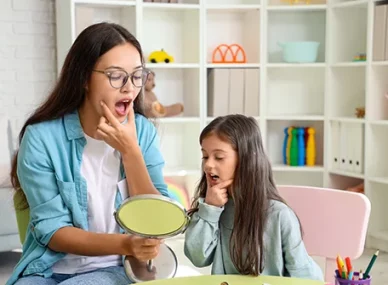
• Benefit from speech and feeding therapy, where reduced orofacial spasticity supports better communication and swallowing
• Work on gait training to improve balance, step length, and walking efficiency
Timing and Best Practices
• Assessment: Before injections, goals are set together with the family and therapy team.
• Post-injection window: Intensive therapy should ideally start within 1 to 2 weeks after injection, when tone reduction is at its best.
• Follow-up: Every 3 to 6 months, reassessments are needed to update therapy goals and decide on reinjection or other treatment options.
Conclusion
Botulinum Toxin injections help reduce spasticity, but the greatest progress happens when they are combined with intensive therapy. By pairing injections with goal-directed, frequent rehabilitation, children can achieve meaningful improvements in mobility, independence, and overall quality of life.
At Hope AMC, we bring together medical interventions and intensive pediatric rehabilitation to give children the best chance to unlock new abilities and long-term functional gains.