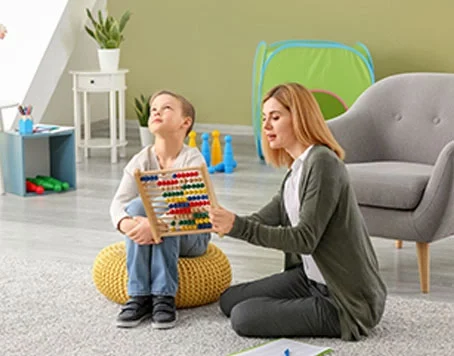
A parent often notices even the smallest changes in their child. From the way your baby responds to your voice to how they look at you, these little moments help you understand if your child is growing happily and healthily or may need extra support and attention. Sometimes, parents sense that something feels a bit different. It may not be obvious, but it is a feeling that is hard to explain and even harder to ignore.
Every child grows in their own unique way and at their own pace. However, if that pace seems slower than expected or your child appears to be facing developmental challenges, it becomes important to pay closer attention to possible early signs of Autism Spectrum Disorder.
Impact of ASD on a Toddler’s Development
Autism Spectrum Disorder, or ASD, is a neurological and developmental condition that can affect how a child connects, communicates, and experiences the world around them. Understanding the early signs of ASD helps you see your child more clearly, both their strengths and the areas where they may need support. Early awareness allows parents to ensure their child receives the right care and guidance to thrive not just academically, but socially and emotionally as well.
The Most Common Early Signs Parents Should Watch For
1. Delayed Speech and Communication
Toddlers with autism may struggle with babbling, say very few words, hesitate to communicate, or even lose words they had previously learned. In many cases, a child with Autism Spectrum Disorder may also avoid eye contact while someone is speaking to them or may not respond when their name is called.
2. Limited Social Interaction
It is natural for toddlers to smile, point, or try to engage when someone interacts with them. However, a child with autism may prefer to play alone, show little to no interest in social games, or find it difficult to express and share their emotions with others.
3. Repetitive Behaviors
This is one of the more noticeable signs of ASD. If your child frequently engages in actions such as hand flapping, rocking, spinning toys or objects, or repeating the same movements over and over, it is important to observe these behaviors closely and consider a professional assessment.
4. Strong Need for Routine
Many toddlers enjoy routines, such as set times for meals, play, or sleep. However, children with autism may become unusually upset with even small changes. They may insist on doing things in a specific order and can react strongly when their routine is disrupted.
5. Sensory Sensitivity
Sensitivity to sounds, textures, lights, or touch can be common in toddlers. Most children gradually outgrow these sensitivities. However, if your child shows strong resistance to new foods, environments, or textures, or seeks out sensory experiences such as staring at spinning objects or repeatedly touching surfaces, it may require closer attention.
When Should Parents Consider Taking Action
If you notice a combination of these signs in your toddler, it is wise to seek professional advice for communication, social, emotional, sensory, behavioural, and speech development for autism. Early signs often appear between 12 and 24 months. Trust your instincts as a parent; you know your child best. Taking early action can make a significant difference and lead to better, more positive outcomes for your child’s development.
How Assessment at a Pediatric Rehabilitation Center Helps
A proper evaluation is the first step toward understanding your child’s needs. At a pediatric rehabilitation center in Dubai, specialists can evaluate the behavior, communication, and developmental milestones of your toddler in a structured way.
The assessment process often includes developmental screening, parent interviews, and play-based observation. Pediatric ABA (Applied Behavior Analysis) therapists may also use proven methods to identify whether your child shows characteristics of ASD or another developmental condition.
How Pediatric Therapy Supports Your Child’s Development
Early intervention is key when it comes to ASD. With the right behaviour therapies, children can improve communication, social interaction, and daily living skills.
At Hope AMC, our pediatric therapists work closely with families to design personalized therapy plans for kids. These may include:
- Behavioral Therapy for Kids – to encourage positive behaviors and social skills
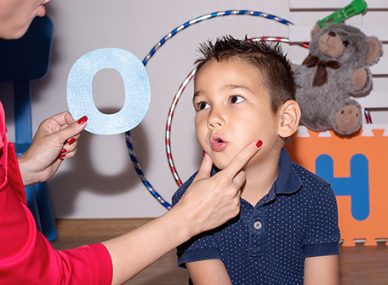
- Speech Therapy – to improve communication skills and language development
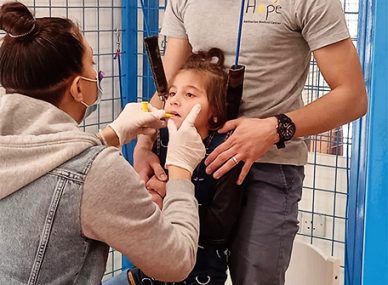
- Occupational Therapy – to support sensory processing and daily activities
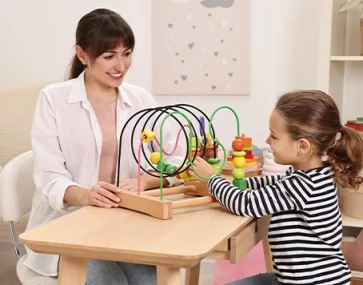
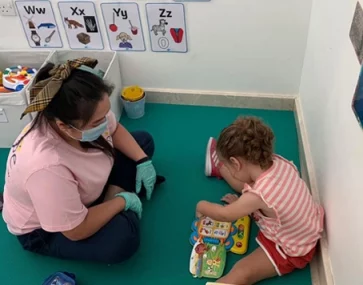
Our ABA therapy specialists focus on building strengths while gently supporting areas where the child may struggle. The personalized sessions are designed to be engaging and child-friendly, helping toddlers learn through play and interaction.
Frequently Asked Questions
To assess Autism Spectrum Disorder, specialists observe your child’s behavior, communication, and development. They also talk to parents about milestones and concerns to better understand your child and decide on the next steps.
Therapies such as speech, occupational, and behavioral therapy can help improve communication, social skills, and daily activities through simple, structured, and engaging sessions.
At Hope AMC, experts assess your child and create a personalized therapy plan. They also guide you as a parent, so your child gets the right support both at the center and at home.