
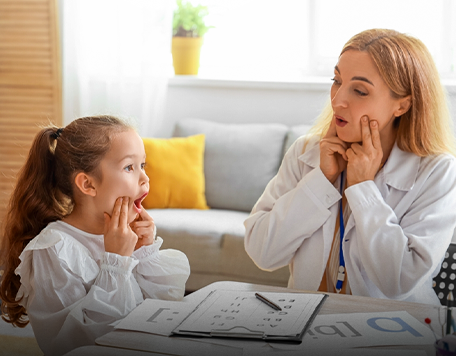
Every child develops at their own pace, but persistent difficulties with speaking, understanding, or expressing thoughts can leave parents wondering whether they should seek professional help. While some communication delays resolve naturally, others may indicate an underlying speech or language disorder that benefits from early intervention. Recognising these concerns early can make a meaningful difference in your child’s communication, learning, and social development.
A comprehensive speech and language assessment provides valuable insights into your child’s strengths and challenges, allowing therapists to recommend the most effective intervention plan.
Understanding Speech and Language Disorders
Speech and language disorders are not the same, although they often occur together.
- Speech disorders affect how a child produces sounds, words, or fluency.
- Language disorders affect a child’s ability to understand (receptive language) or express (expressive language) thoughts and ideas.
Children with expressive language disorders may struggle to use words, form sentences, or communicate their needs clearly. Those with receptive language disorders may find it difficult to understand instructions, answer questions, or process spoken language.
Early identification allows children to receive targeted intervention during the years when brain development is most responsive to learning new communication skills. Research consistently supports early, individualised intervention as an effective approach for improving communication outcomes.
What Early Communication Signs Should Parents Watch For?
Parents are often the first to notice when something doesn’t seem quite right with their child’s communication development. While every child progresses differently, certain signs may warrant a professional assessment.
Some common indicators include:
- Limited vocabulary compared to peers
- Difficulty combining words into sentences
- Challenges following age-appropriate instructions
- Frequent frustration when trying to communicate
- Difficulty answering simple questions
- Mispronouncing sounds beyond expected developmental stages
- Limited social interaction due to communication difficulties
If you notice these signs consistently, consulting a qualified speech therapist in Dubai can help determine whether your child requires further evaluation or intervention.
To know more, read this blog: 5 Early Signs Your Child Needs Occupational Therapy
What Happens During a Speech and Language Evaluation?
A speech and language assessment is designed to understand your child’s overall communication abilities rather than simply identifying speech errors.
During the evaluation, therapists typically assess:
| Assessment Area | What It Evaluates |
| Speech Production | Clarity of sounds, pronunciation, articulation |
| Receptive Language | Understanding words, instructions, and conversations |
| Expressive Language | Vocabulary, sentence formation, and communication skills |
| Social Communication | Interaction, turn-taking, and conversational abilities |
| Oral Motor Skills | Strength and coordination of muscles used for speech and feeding |
The assessment process is usually child-friendly and play-based, helping children feel comfortable while providing therapists with accurate observations of their communication skills.
Which Assessment Tools Do Speech Therapists Use?
No two children are alike, which is why evaluations combine several evidence-based assessment methods.
A therapist may use:
- Standardised language assessment tools
- Play-based communication observations
- Parent interviews and developmental history
- Oral motor examinations
- Speech sound assessments
- Feeding and swallowing evaluations when required
These tools help identify whether difficulties involve expressive language, receptive language, articulation, fluency, or related developmental concerns. Comprehensive assessments also support the creation of personalised therapy goals tailored to each child’s needs.
What Therapy Pathways May Follow an Assessment?
Once the assessment is complete, therapists recommend an intervention plan based on your child’s individual profile.
Depending on the findings, therapy may include:
Speech Therapy
This focuses on improving pronunciation, articulation, language comprehension, vocabulary development, sentence formation, and overall communication confidence through evidence-based strategies.
Children with more significant communication challenges may benefit from intensive speech therapy for children, where structured and frequent sessions help accelerate skill development according to their individual needs. Intensive, outcome-focused therapy programmes are part of multidisciplinary paediatric rehabilitation services offered by specialised centres.
Feeding Therapy
Some children experience oral motor or swallowing difficulties alongside communication challenges. Feeding therapy supports safe chewing, swallowing, oral muscle coordination, and healthy eating habits when these concerns are present. Multidisciplinary centres often integrate feeding therapy alongside communication interventions when appropriate.
Our team at Hope AMC develops personalised intervention plans that address each child’s communication profile while working closely with families to encourage progress both during therapy sessions and at home.
For families navigating this journey, it’s helpful to understand the complete pathway from recognising a speech delay, undergoing a speech assessment, and beginning expert speech therapy to support long-term communication success.
Why Early Intervention Matters
The earlier communication difficulties are identified, the greater the opportunity to strengthen language, learning, confidence, and social interaction. Delaying assessment may allow challenges to become more noticeable as academic and social demands increase.
Through evidence-based speech and language therapy and personalised treatment planning, we aim to help children develop the communication skills they need to thrive in everyday life. At Hope AMC, our multidisciplinary specialists provide comprehensive assessments and tailored therapy programmes designed to support every child’s unique developmental journey. Schedule an appointment today!
Frequently Asked Questions
If your child has difficulty speaking, understanding language, following instructions, or communicating compared to peers, it’s advisable to seek a professional evaluation as early as possible.
Speech disorders affect how words are produced, while language disorders affect understanding or expressing thoughts, ideas, and information.
The duration varies depending on the child’s needs but generally ranges from 45 to 90 minutes, including observation, testing, and discussion with parents.
Yes. When appropriate, therapists may recommend integrated therapy programmes that address speech, language, oral motor skills, and feeding challenges to support a child’s overall development.