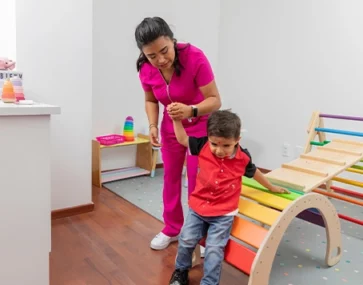

Every parent wants their child to feel confident, comfortable, and capable in everyday life. But when simple activities like getting dressed, eating certain foods, sitting in a classroom, or playing with friends become overwhelming, it can leave parents feeling confused and concerned. These challenges may be linked to Sensory Processing Disorder (SPD), a condition that affects how a child’s brain receives and responds to sensory information.
The good news is that early intervention can make a meaningful difference. With the right occupational therapy treatment, children can develop the skills they need to navigate daily life more comfortably and independently.
Understanding Sensory Processing Disorder in Children
Sensory Processing Disorder occurs when the brain has difficulty interpreting sensory information from the environment. Children with SPD may be overly sensitive (hypersensitive) or under-responsive (hyposensitive) to sensory input such as sounds, textures, movement, lights, or touch.
While every child experiences the world differently, SPD can significantly impact daily routines, learning, and social interactions if left unaddressed.
Some common signs include:
- Avoiding certain clothing textures or food textures
- Becoming overwhelmed by loud noises or bright lights
- Constantly seeking movement or physical activity
- Difficulty focusing in school
- Poor coordination or balance
- Emotional outbursts during routine activities
Recognising these signs early allows parents to seek appropriate support before challenges become more complex.
How Sensory Challenges Affect Everyday Life
Sensory difficulties extend far beyond occasional discomfort. They can influence nearly every aspect of a child’s development.
| Daily Activity | Possible Challenge with SPD |
| Dressing | Sensitivity to clothing textures or seams |
| Eating | Refusal of foods due to taste, smell, or texture |
| School | Difficulty concentrating or following instructions |
| Play | Avoidance of group activities or playground equipment |
| Self-care | Challenges with brushing teeth, bathing, or grooming |
These experiences can affect a child’s confidence, independence, and ability to participate in family, school, and social activities.
How Occupational Therapy Helps Children with SPD
One of the most effective approaches for managing SPD is occupational therapy treatment. Occupational therapists evaluate how children respond to sensory input and create personalised intervention plans based on their individual strengths and needs.
A skilled occupational therapist for children uses engaging, play-based activities to help children process sensory information more effectively. Depending on the child’s needs, therapy may include:
- Sensory integration activities
- Fine and gross motor skill development
- Hand-eye coordination exercises
- Balance and body awareness training
- Play-based learning
- Strategies to improve attention and self-regulation
These sessions are designed to be enjoyable while helping children gradually build the skills needed for everyday life.
Therapy Goals: Building Attention, Regulation, and Independence
Occupational therapy focuses on much more than improving sensory responses. The ultimate goal is to help children become more confident and independent.
Key therapy goals include:
- Improving attention and concentration
- Developing emotional regulation skills
- Strengthening fine motor coordination
- Enhancing self-care abilities such as dressing and feeding
- Supporting participation at school and home
- Increasing confidence in social situations
As children learn to better regulate their sensory responses, many parents notice improvements in daily routines, communication, and overall quality of life.
Why Early Sensory Processing Assessment Matters
Many parents assume their child will eventually “grow out” of sensory difficulties. However, delaying support may allow challenges to affect learning, behaviour, and emotional well-being.
A comprehensive sensory processing assessment helps identify specific sensory patterns and determines which interventions are most appropriate. Early assessment also enables therapists to create targeted therapy plans before difficulties become more deeply ingrained.
If your child frequently struggles with sensory challenges, seeking guidance from the best occupational therapist in dubai can provide valuable clarity and support.
Occupational Therapy Programs at Hope AMC
At Hope AMC, we understand that every child experiences sensory challenges differently. That’s why our experienced pediatric occupational therapist team develops personalised therapy plans tailored to each child’s unique needs and developmental goals.
Our occupational therapy programs focus on:
- Sensory integration
- Fine and gross motor development
- Attention and self-regulation
- Hand-eye coordination
- Self-care and daily living skills
- School readiness and functional independence
Using play-based activities, creative exercises, one-on-one sessions, and family involvement, we help children build confidence while making therapy engaging and enjoyable. Parents are also encouraged to participate, allowing them to continue supporting progress at home.
Helping Your Child Thrive with Experts at Hope AMC
Sensory Processing Disorder can make everyday experiences challenging, but it doesn’t define your child’s potential. With early assessment and personalised occupational therapy treatment, children can develop the confidence, skills, and independence needed to thrive at home, in school, and beyond.
At Hope AMC, we’re committed to helping every child reach their fullest potential through compassionate, evidence-based care tailored to their individual journey.
To know more, you may read this blog: Unlocking Potential: How Pediatric Occupational Therapy Supports Children with Learning Challenges
Frequently Asked Questions
Common signs include sensitivity to sounds, textures, or lights, difficulty concentrating, poor coordination, emotional outbursts, and avoiding certain everyday activities.
An occupational therapist for children assesses sensory processing difficulties and creates personalised therapy plans using play-based activities, sensory integration techniques, and skill-building exercises to improve daily functioning.
If sensory challenges consistently interfere with your child’s learning, behaviour, self-care, or social participation, it’s advisable to arrange an assessment as early as possible for timely intervention.
Hope AMC offers personalised occupational therapy programs delivered by experienced therapists using child-friendly, evidence-based approaches that support sensory regulation, independence, and overall development. Schedule an appointment today!