
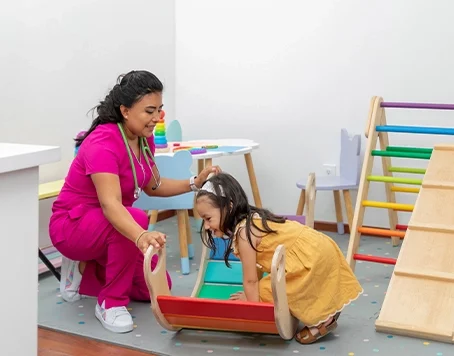
As a parent, nothing feels more worrying than noticing your child struggle with everyday tasks that seem simple for other children their age. Whether it is difficulty holding a pencil, avoiding certain textures, or becoming overwhelmed in noisy environments, these daily challenges can leave you confused, anxious, and unsure of the next step for your child. Understanding the early signs can help you seek timely support through occupational therapy treatment, ensuring your child gets the right help before these struggles impact their confidence and development.
Why Early Signs Matter to Parents?
Children grow at different paces, but certain delays or behavioural patterns shouldn’t be ignored. Parents often describe feeling helpless when they see their child struggle with coordination, self-care, or classroom tasks. If these challenges continue despite repeated effort, it may be time to consult a pediatric occupational therapist.
Below are the most common signs parents should look out for.
1. Difficulty with Fine Motor Skills
If your child finds it unusually hard to hold a pencil, use scissors, button clothes, or manage cutlery, it may indicate poor fine motor development. These skills are essential for school readiness and daily independence.
2. Struggles with Sensory Processing
Parents often notice their child becoming overwhelmed by sounds, lights, certain fabrics, or even food textures. This may look like tantrums, avoidance, or excessive seeking of movement. A specialised Occupational Therapy session can help decode these sensory challenges.
3. Delays in Self-Care Tasks
If your child is older but still struggles with dressing, brushing teeth, or toileting, it may not just be “taking more time to learn.” A structured plan from skilled therapists at Hope AMC can help build these essential life skills.
4. Poor Balance, Coordination, or Body Awareness
Some children appear clumsy, bump into things, or avoid playground activities. Others struggle with handwriting, posture, or eye-hand coordination. These may be early indicators that your child could benefit from the guided therapy programs available at Occupational Therapy centers in Dubai.
5. Emotional or Behavioural Outbursts During Routine Activities
Children who become frustrated easily, dislike transitions, or have difficulty following instructions may be compensating for underlying sensory or motor limitations. A trained pediatric Occupational Therapy specialist in Dubai can identify the root cause.
Why Choose Hope AMC?
At Hope AMC, our certified therapists, including experts like Zoe, follow a child-friendly, goal-oriented approach to help children gain independence through play-based learning. Our programs are conducted only at our centre by licensed professionals, ensuring safe, structured, and effective sessions. If you are searching for an Occupational Therapist in Dubai, we provide personalised intervention plans for children who require support in fine motor skills, sensory processing, behaviour regulation, and coordination.
Parents can book a consultation directly through our appointment page to start their child’s developmental journey.
FAQs
1. What is the right age to start occupational therapy?
There is no fixed age. If your child shows ongoing difficulty with motor skills, sensory responses, or daily tasks, early evaluation is recommended.
2. How long does occupational therapy take to show progress?
Each child responds differently. After assessment, therapists at Hope AMC develop a personalised plan and review progress regularly.
3. Do parents need to stay during therapy?
Parent involvement is encouraged. It helps reinforce the same techniques at home for better outcomes.
4. How can I book an appointment at Hope AMC?
You can book directly through our online booking page on our website.