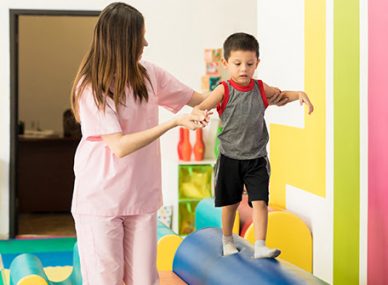
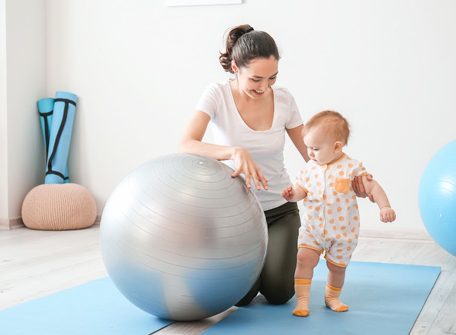
Babies learn to roll at different paces. If your baby has not yet started rolling over, it may be just a matter of timing. However, if there are no signs of movement attempts even after 6 months, consider visiting a pediatric physiotherapist who can help strengthen muscles, improve coordination, and support healthy motor development in a safe, guided way.
Rolling over is one of the big milestones for every baby. This is indeed the first sign that your baby is becoming mobile and independent. Once your baby learns how to roll from belly to back and back to belly, your baby is not so far behind sitting up and crawling.
What Is The Right Age For Babies To Roll Over?
It is quite exciting to watch your baby grow and gain strength. It is quite natural to wonder how soon they are going to show their next big skills. The accurate age of babies to roll over may vary from one child to another.
Babies can start rolling as young as 3-4 months old. This is because, for every baby, it takes a few months after birth to build necessary strength such as good head control, neck and arm muscles, etc. According to the latest study, it is shown that by the time a child is 7 months old, the majority of babies have mastered the process of rolling over.
If you see your baby has no rolling or any mobility skills or does not show interest in rolling over by 6 months, you should consult a pediatric physiotherapist who specializes in offering result-driven physiotherapy for children.
What Are The Signs That Indicate Your Baby Is About To Roll Over?
- Rocking on the belly or back
- Kicking legs back and forth
- Arching their back
- Trying to cross one leg over their body
- Lifting his chest off the ground
- Pushing up on their hands
If you see your baby is not showing any of these above-mentioned signs, you should reach out to an expert therapist for effective physiotherapy in Dubai.
Baby Rolling Milestones Checklist
By 2–3 months:
- Holds head up during tummy time
- Moves arms and legs actively
- Turns head from side to side
By 3–4 months:
- Pushes up on forearms during tummy time
- Rocks slightly to the side
- Shows attempts to roll from tummy to back
By 5–6 months:
- Rolls from tummy to back confidently
- Attempts rolling from back to tummy
- Uses arms to push and shift weight
By 6–7 months:
- Rolls in both directions easily
- Moves with purpose to reach toys
The timing of achieving these developmental milestones can vary a bit depending on your baby’s learning pace. However, if your baby is not attempting any of these movements by 6 months, it may be time to seek professional advice.
Can You Teach Your Baby To Roll Over?
Babies will learn to roll over instinctually. However, there are a few things you can do to encourage your baby to roll over.
Giving Tummy Time
Tummy time is placing your baby on his tummy in a safe and comfortable area and then letting them play. You can place your baby on the floor, or play mat or place them directly on the belly when you gently hold them in place. This is a great way to bolster the skills required to roll over. Remember that, tummy time is for babies who are awake and supervised.
During tummy time, you can place toys out of your baby’s reach to encourage your baby to roll towards them. Another thing you can do is to get down to one side of the baby and talk to them. If you have an older child, you can also get him/her on the floor to cheer your little baby on.
Stop Swaddling
Swaddling your baby for the first few months can be a great sleep aid. But by 3-4 months of age, they’ll likely be ready to sleep without a swaddle. This not only decreases the risk of suffocation but also helps babies practice rolling over even in their sleep.
Limit Time In Restricted Space
Wondering how to encourage babies to learn to roll over in your busy daily routine? During the day, help your baby roll over naturally. You can reduce the time they spend in anything that hinders their movements such as swings, car seats, bouncers, etc. The motif will be to place your kid in a position that is natural for them to develop their muscles to move forward.
What If Your Baby Has Not Rolled Over Yet?
As mentioned above, if you see your baby has not started rolling over by the age of 6 months, you may consult a therapist for physiotherapy.
However, you must keep in mind that not every baby starts to roll over right after they are 6 months of age. If your baby is not displaying any kind of sign of making an attempt to roll over, you should definitely discuss it with your pediatrician. If the doctor thinks there is any developmental delay, they may recommend a physiotherapist.
When to Consider Visiting a Pediatric Physical Therapy Specialist
It is important to check your baby with a physical therapist if your baby-
- shows very stiff or very floppy muscle tone
- uses one side of the body much more than the other
- hates tummy time consistently and cannot tolerate it at all
- has not started attempting to roll by 6 months
- has difficulty holding the head steady by 4 months
Bottom Line
The physiotherapist at Hope AMC will carefully diagnose the condition of your kid and devise a customized therapy plan based on the unique needs of the child. We offer intensive physiotherapy for infants as well as growing babies that lasts for 3 weeks. Each therapy session may last up to 2-6 hours depending on the needs of the child.
Bring your child to our pediatric physiotherapy clinic in Dubai. Or, schedule an appointment to discuss the condition of your kid.
Frequently Asked Questions
Rocking side to side, lifting the chest during tummy time, pushing up on hands, kicking legs actively, or trying to shift weight to one side are common and noticeable signs parents observe when their babies are about to roll over. These small movements show your baby is building the strength needed for rolling and other movements.
If your baby is not showing any signs of rolling by 6 months, or if you have noticed a delay in other motor milestones, it is time to consult a pediatric physiotherapist. A certified therapist can assess muscle strength, coordination, and overall development of your baby and develop a personalized plan to support your baby’s growth.
The physiotherapy program works on strengthening weak muscles, improving coordination, and guides your baby through safe movement patterns. Our pediatric physiotherapists use gentle exercises and play-based techniques to encourage healthy motor development.
At Hope AMC, we first assess your baby’s muscle tone, strength, posture, and movement patterns. Based on the evaluation and your baby’s developmental goals, our therapists create a therapy plan. Our sessions are interactive, gentle, and designed to make your baby feel comfortable and secure.